
Govern•9 min read
Human in the Loop" Is Not a Control
Why human oversight often fails as an AI safeguard - the UnitedHealth nH Predict case shows automation bias turning reviewers into rubber stamps, not controls.
AI Guru Team
AI governance frameworks, ethics, risk management, and compliance.
Why human oversight often fails as an AI safeguard - the UnitedHealth nH Predict case shows automation bias turning reviewers into rubber stamps, not controls.
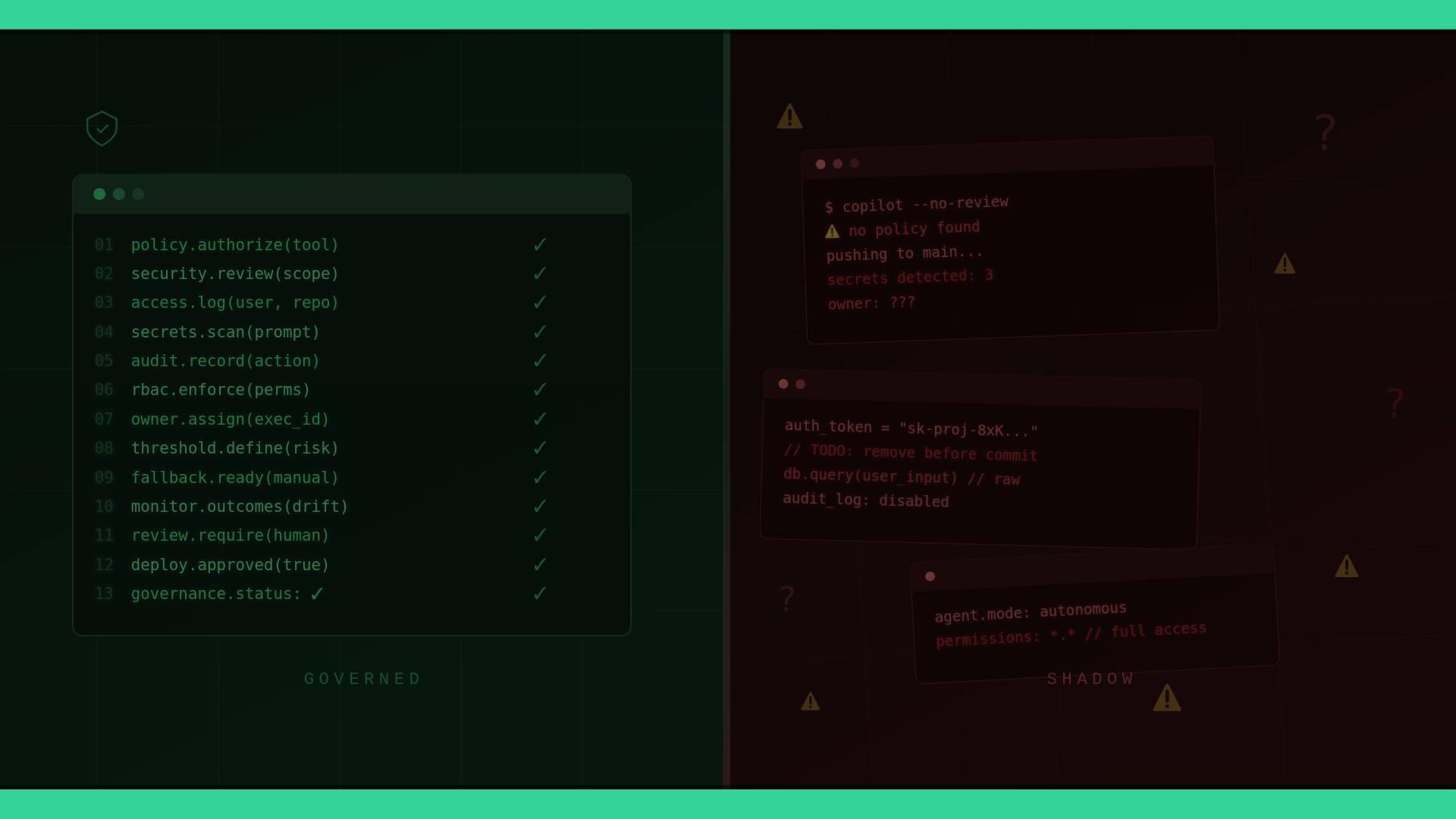
AI coding assistants spread before governance catches up - Copilot is in 90% of the Fortune 100, often via individual signups with no procurement or review.

Agentic assistants like OpenClaw hold OAuth keys to email, calendar, Slack, and CRM with no IT review - why this new category is a governance problem.

When an AI system goes wrong, who can turn it off? Why distributed ownership, undefined thresholds, and missing rollback runbooks turn shutdown into a meeting.

A chatbot meant to summarize policy made a decision, and a discrimination claim landed on the board. Why AI failures are governance failures, not tech defects.
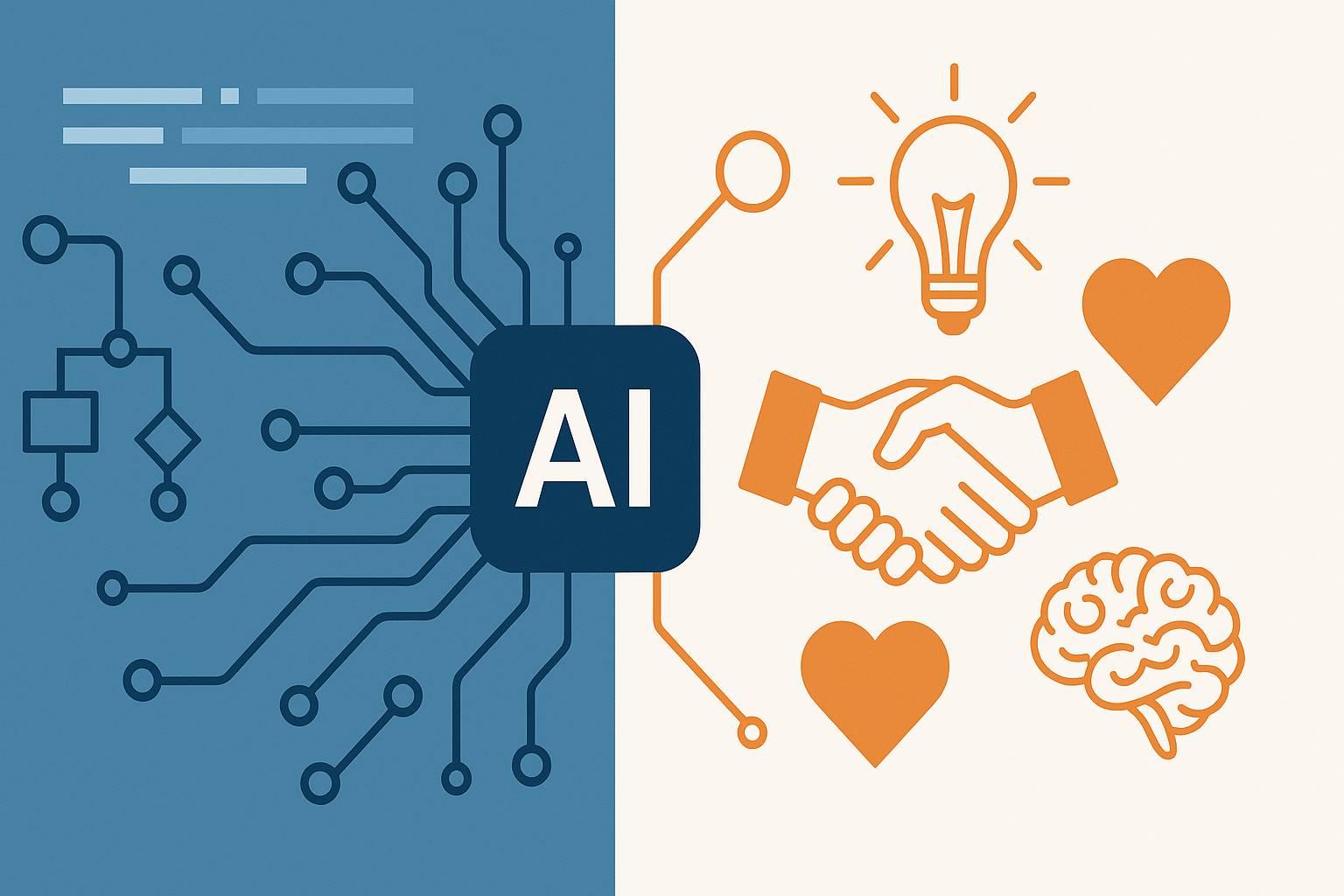
Why 80% of AI projects fail comes down to five limitations leaders ignore, from the understanding illusion to poor data quality, not the technology itself.
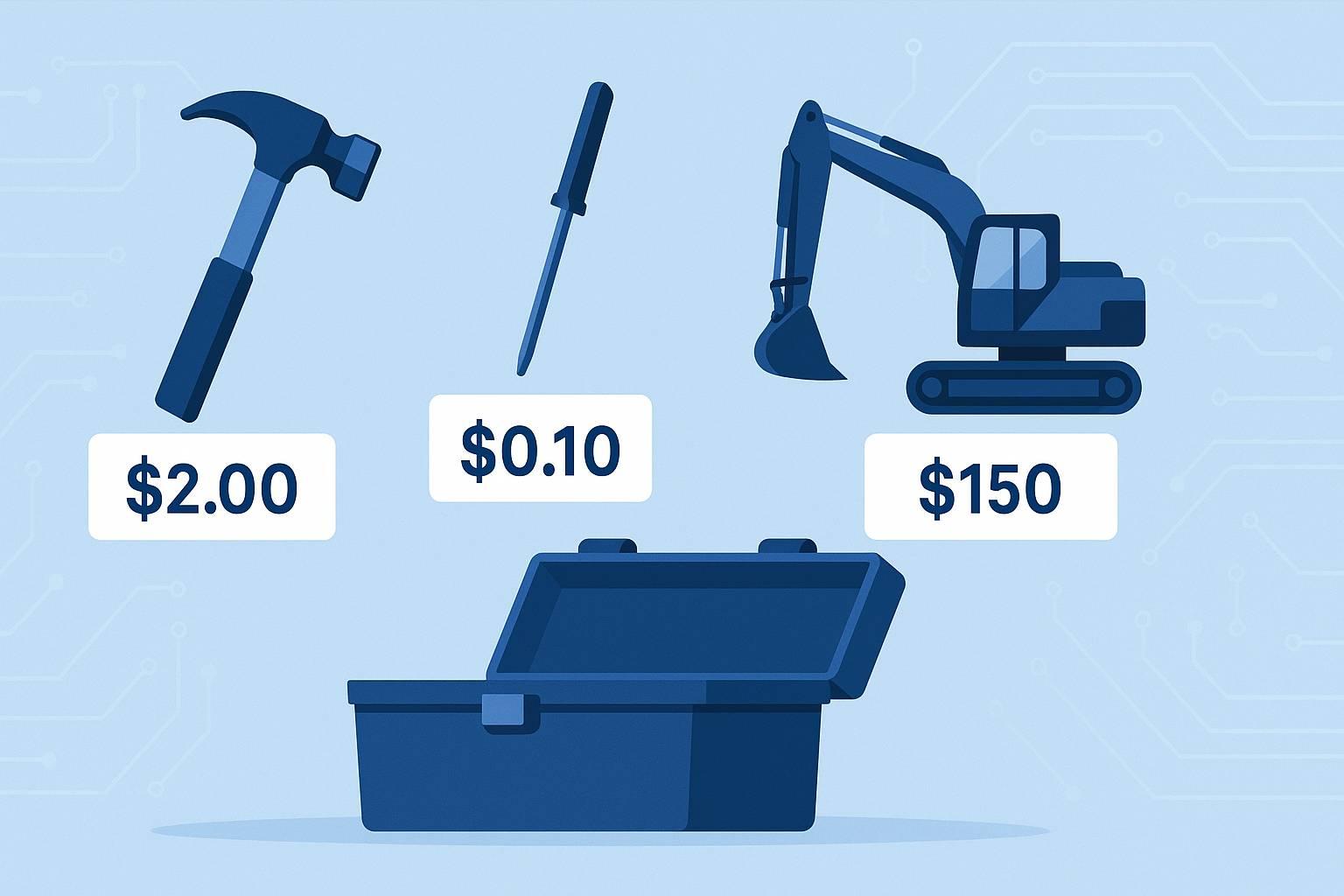
A Fortune 500 firm burned $2.3M assuming the priciest model wins. How to match AI models to tasks across powerhouse, balanced, and efficiency tiers for ROI.

Generative AI is a double-edged sword for risk managers. How to capture gains like Klarna's two-thirds of support chats while safeguarding against its risks.
Navigating AI regulations, building ethics frameworks, and staying compliant in India.
An easy-to-understand introduction to bias in AI systems with real-world examples and everyday analogies.
Technical deep-dive into bias in machine learning systems, including detection methods, mitigation strategies, and implementation best practices.
What is AI bias, why it's especially consequential in India, and a practical framework for detecting and mitigating it in your AI systems.
The OpenClaw pattern showed agents escalating privilege through permissions, not hacking - the governance gap when AI agents take actions and hold the keys.

How AI learns human prejudice through four channels — data, labeling, design, and deployment — and what you can do to spot it.

What to think about before you paste anything into an AI tool — storage, training, access risks, and practical protection steps.

Four principles - fairness, transparency, accountability, respect - plus the newspaper test for AI decisions your workplace rules do not clearly cover.
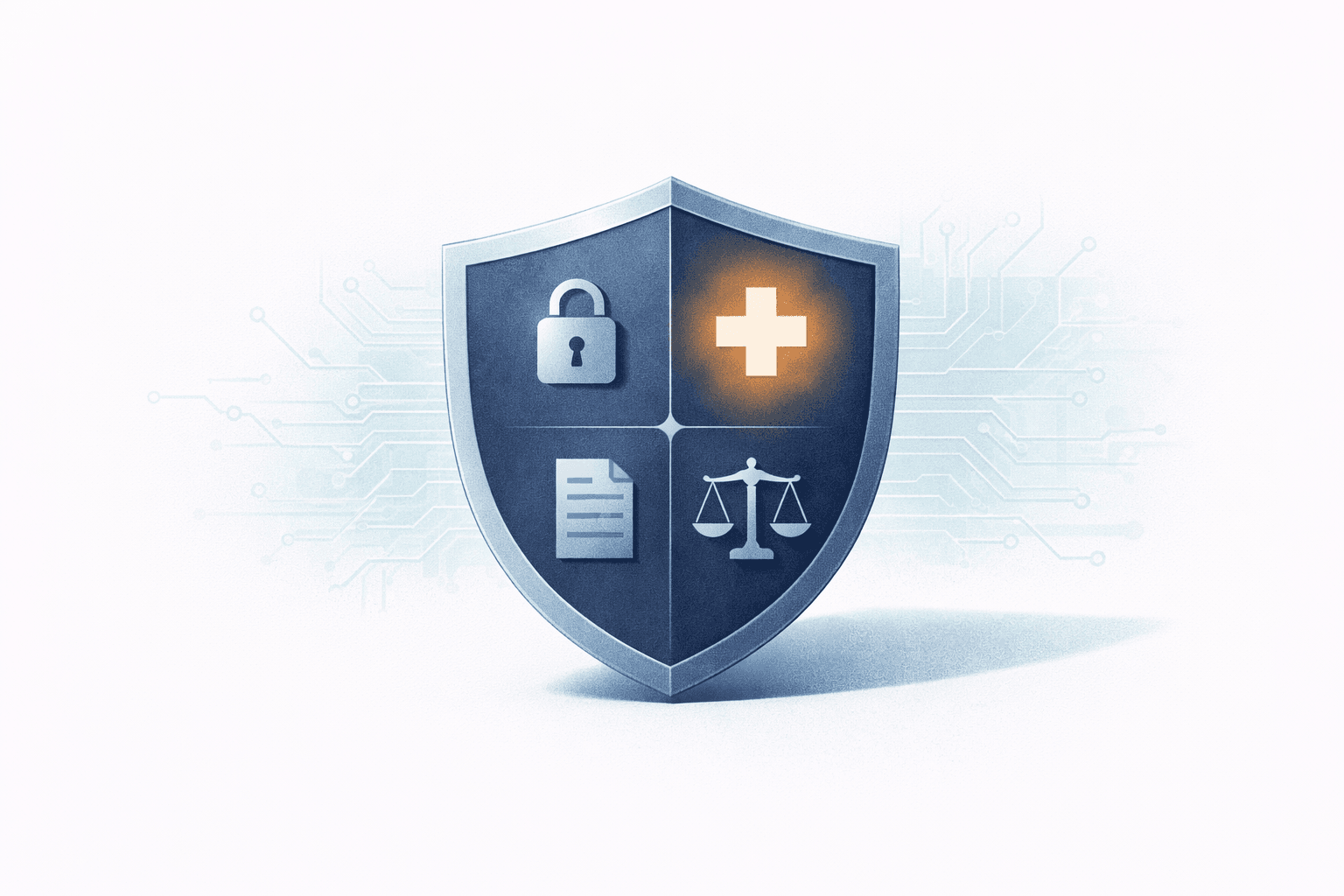
Existing laws already cover AI: Title VII, ADA, HIPAA, GLBA, FERPA, and CCPA all apply. 'The AI did it' is not a defense - your organization owns the outcome.
What Is AI Governance: AI systems are fundamentally different from traditional software — they are probabilistic, opaque, autonomous, and data-dependent.
A practitioner's taxonomy of AI risks organized by who gets harmed, how, and why - covering discrimination, privacy, manipulation, and physical safety risks.
Six responsible AI principles meet reality: fairness tests via demographic parity and equalized odds, tooling like Fairlearn, and the tradeoffs teams resolve.
AI governance is an operating model, not a document - the roles, teams, and structure to scale oversight from 5 models to 500 without becoming a bottleneck.
AI governance spans the full lifecycle, not one pre-deployment gate. The policies, checkpoints, and owners needed from use case approval to decommissioning.
When AI causes harm, who is liable? How the EU AI Act splits obligations across providers, deployers, developers, and users - and why roles often overlap.
Most AI risk lives in vendor and SaaS tools you didn't build - manage it through procurement, vendor assessment, contracts, and ongoing monitoring controls.
Assess your AI governance against five maturity levels, from ad hoc experiments to metrics-driven management with continuous monitoring and improvement.
Why engineering alone cannot govern AI as a socio-technical system, and who needs a seat - legal, compliance, privacy, security, HR, business, and design.
How GDPR and CCPA shape AI: notice requirements, lawful basis for training data, purpose limitation, and data minimization against AI's hunger for more data.
How copyright applies to AI training data, the limits of fair use, key court cases, and the unsettled legal question of who owns AI-generated outputs.
How Title VII, the ADA, EEOC guidance, and ECOA apply to AI in hiring, promotion, credit scoring, housing, and insurance - with resume-screening bias examples.
How FTC Act Section 5 applies to AI - what makes a practice unfair or deceptive, enforcement actions, and emerging risks like AI-personalized dark patterns.
How product liability maps to AI: design defects from biased training, manufacturing defects from model drift, failure to warn, and strict liability vs fault.
A practitioner's walkthrough of the EU AI Act's four risk tiers, GPAI rules, and penalties up to 7% of global turnover - plus what the timeline means.
EU AI Act duties for high-risk systems: continuous risk management, data governance and bias checks, technical documentation, transparency, human oversight.
What counts as general-purpose AI under the EU AI Act, how GPAI models differ from systems, and the documentation and downstream duties every provider faces.
A practitioner's walkthrough of the NIST AI RMF's four functions - Govern, Map, Measure, Manage - and how to embed them in operations, not one-off compliance.
ISO 42001 is the first AI management standard you can certify against - how auditing works, and how it complements NIST AI RMF and EU AI Act compliance.
How NIST AI RMF, ISO 42001, and the EU AI Act differ - voluntary framework, certifiable standard, and law - and why they complement rather than compete.
The five OECD AI principles - inclusive growth, human-centered fairness, transparency, robustness and safety, accountability - anchoring global AI governance.
Why brittleness, opacity, and cascading effects make AI incidents different from IT incidents, plus classification, detection, and containment options.
EU AI Act transparency by risk tier, user notice for chatbots and deepfakes, regulator documentation, and GPAI training-data summaries - what to disclose when.
Compare privacy, algorithmic, and fundamental rights impact assessments for AI - when each type is required versus recommended, and how to conduct one.
Data ownership, performance SLAs, IP licensing, and audit rights - the AI vendor contract terms governance teams should pin down before they sign a supplier.
How to translate AI policies into deployment - data governance in production, continuous risk monitoring, and user training for the people using the AI.
Internal, external, and algorithmic audits compared, plus red teaming - how mature programs separate the testing function from development for AI oversight.
Function creep, dual-use repurposing, and cascading downstream harms - how to forecast the secondary AI risks that surface long after a system ships to users.
When to retire an AI system - regulatory shifts, performance decay, stakeholder opposition - plus a checklist for shutdown, transition, and notification.
What to tell stakeholders about your AI before anything breaks: proactive disclosure under the EU AI Act, plus a crisis playbook for handling AI incidents.
When AI acts instead of advising, a governance failure becomes a bad outcome. Covers authority delegation, scope limits, oversight, and incident response.
Banks and insurers must extend SR 11-7, OCC model risk rules, and fair lending duties to AI while preparing for the EU AI Act and DORA - a framework for both.